Jun 1, 2012

Stone in Nepali Masonry

Houses are made of brick sized stone slabs, mud-gravel mixture is used as mortar

Stone is predominant material in Nepali masonry. Specially in the Himalayan parts. Rough slabs of about uniform thickness is the most common form. Mud-gravel mixture is usually used as mortar. The slabs in use having varying length/breadth gives rise to an strong organic texture, unlike the regular pattern of brick walls.

Stone slabs are also laid on flat ground to make pavements, much like cobblestones are used in European architecture. Slabs are laid on sloppy hillsides to make stair ways. Large to medium stone slabs are usually used. These stairs can go all the way starting from deep river valleys to the villages perched on mountain tops.

May 26, 2012

Didi

Ladies of Nepal are your "Didi" (elder sister). That's the ubiquitous polite way of addressing a Nepali lady. You'll see them running grocery stores, tea stalls, restaurants, working in fields, carrying big loads across mountainous Nepali landscape and may be managing the hotel you're staying at.
Ongma Didi, busy maintaining business correspondence on a snowy morning in Manang. Ongma manages a hotel in Manang with her husband, Tashi.


May 20, 2012

Picking Up Nepali Language

Picking up a language is fun. It's like putting together a jigsaw puzzle, except that the pieces are words, phrases and grammatical structure of the language you're trying to learn. If written form of the language has a different script, that adds a new layer of challenge and fun.

May 3, 2012

Nepali Beer

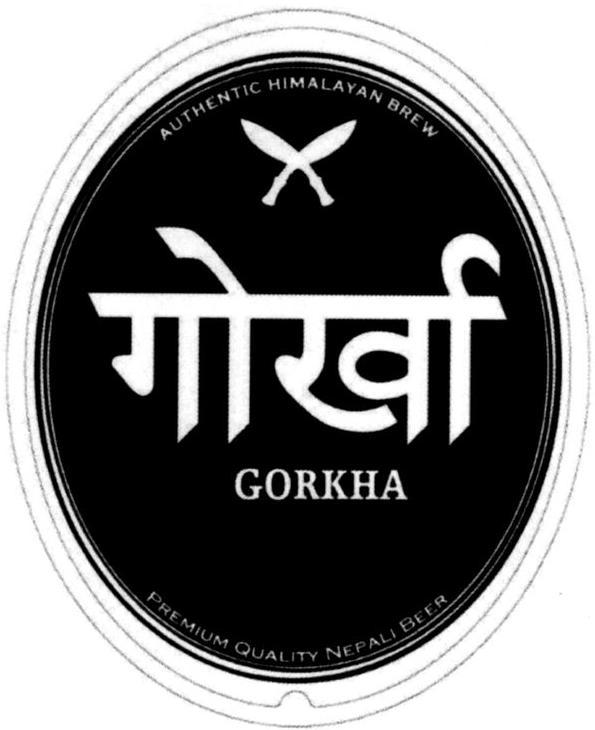
Beer comes in big 750ml bottles in Nepal and they cost only 200NRP (less than 2 Euros). There are several options too. Nepal Ice, Everest and Gorkha are the ones I liked. Nepal Ice being the lightest one. But these are the options for average tourists. For the more adventurous ones I recommend trying things brewed at home.

The culture of Nepal is quite accepting of drinking and almost every house in a village brew their own booze. The home made beer is called 'Chhang'. Depending on the village of origin, it tastes and smells between strange to horribly repulsive. In some parts you may also find home made spirit, called 'raxi' (also spelled 'ragsi' on hotel menu). Same applies to 'raxi' regarding smell and taste.

Nepali men usually lose control when they drink, so be careful. Most start talking really loud. Some would start singing or dancing - I liked the ones of that kind. Have mixed feelings about another kind I found who start speaking English after a few a shots and believe alcohol improves ones English language skills.

Apr 8, 2012

SAARC

SAARC stands for South Asian Association for Regional Cooperation. It was envisioned by a Bangladeshi gentleman* and was founded in 1985 with seven member countries e.g. Bangladesh, Bhutan, India, Maldives, Nepal, Pakistan and Sri Lanka. Later, Afganistan joined SAARC in 2005.

I knew most of this from my education in Bangladeshi public schools. What school did not teach is the more important part, the dormant potential of unity and growth for South Asia that lies in SAARC. This realization came to me during my first visit to Nepal in August 2011.

Through out the week long trip I observed similarities and differences in our languages, culture, problems and possibilities. The Nepalis and Bangalis are same and at the same time different on many levels. This intrigued me a lot. After contemplating over things I became convinced about the potential of a greater South Asian unity some day. I shared my thoughts with my travel partner who was working at the Danish embassy of Dhaka at the moment. He provided a thought through analysis of the situation in SAARC, drawing parallels to EU 50 years ago. To conclude it, he said that Europe is not just a geographic entity; it's a concept and it's growing. That was one of the best comments I've heard about future potentials of human unity anywhere in the world. I'm sure something like that can be done about South Asia too. But it's going to take a while.


*sadly enough I cannot agree with his political ideology of "Bangladeshi Nationalism"